

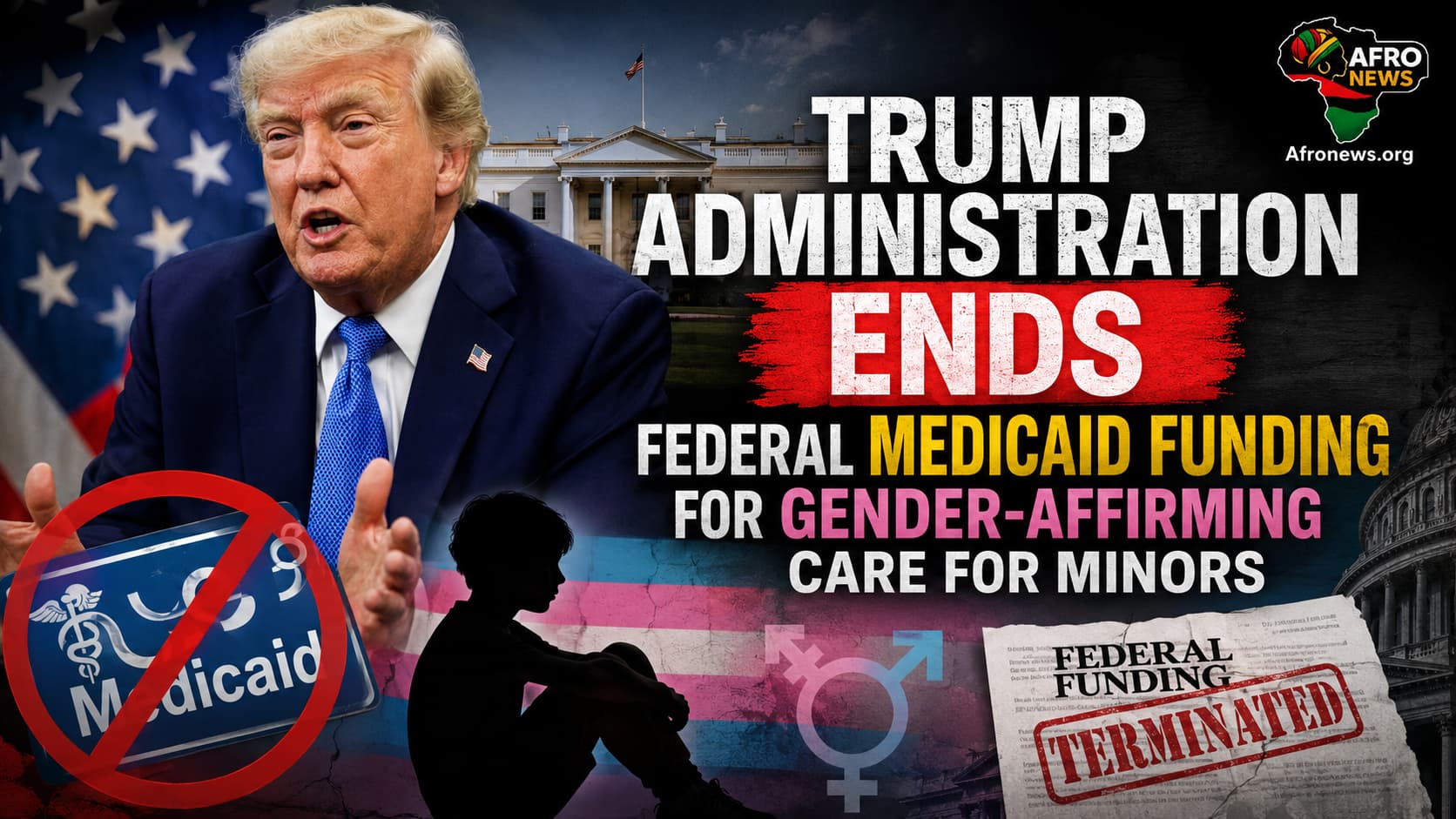
The Trump administration has moved to end federal Medicaid and Children’s Health Insurance Program funding for gender-affirming medical care for minors, escalating its broader effort to restrict access to such treatment in the United States.
The new policy prevents states from claiming federal Medicaid funding for gender-affirming services for people under 18 and restricts related CHIP funding for those under 19. The measures cover treatments including puberty blockers, hormone therapy and surgical procedures. States may still choose to fund such care with their own money. (Reddit)
President Donald Trump welcomed the policy and has repeatedly argued that the federal government should not finance medical interventions of this kind for children and adolescents. In a statement highlighted by GHOne TV, Trump described such procedures as “barbarism” and said his administration would not use public funds for them.



The policy is scheduled to begin taking effect on October 13, 2026, with a transition period for some young people already receiving hormone treatment. (Reddit)
The administration argues that the treatments lack sufficient evidence of benefit and may expose young people to serious or irreversible risks. The policy is part of a broader federal campaign launched during Trump’s second presidency to restrict gender-affirming medical interventions for minors. (Wikipedia)
The decision, however, has triggered a sharp divide among policymakers, healthcare professionals, LGBTQ+ advocates and state governments.
Supporters argue that children should be protected from treatments they consider medically inappropriate or irreversible. Critics counter that the federal government is interfering in medical decisions traditionally made by patients, families and healthcare providers and warn that the funding restrictions could disproportionately affect low-income families who depend on Medicaid.
The immediate consequence is therefore larger than a change in insurance policy.
States will now face a choice: absorb the cost of the affected treatments themselves or allow access to become more limited for young people enrolled in federally supported programmes.