
Long after the final whistle blows and the cameras stop rolling, there is often another story unfolding in the stands.
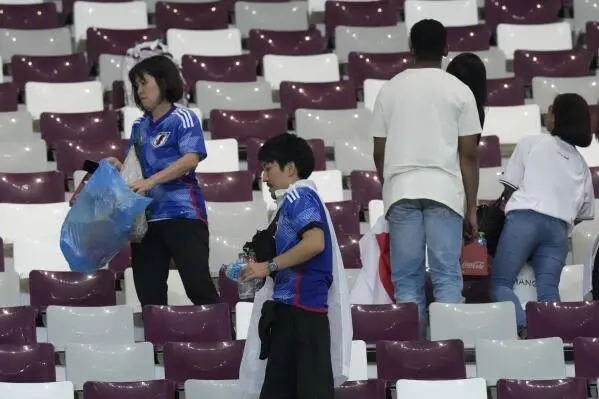
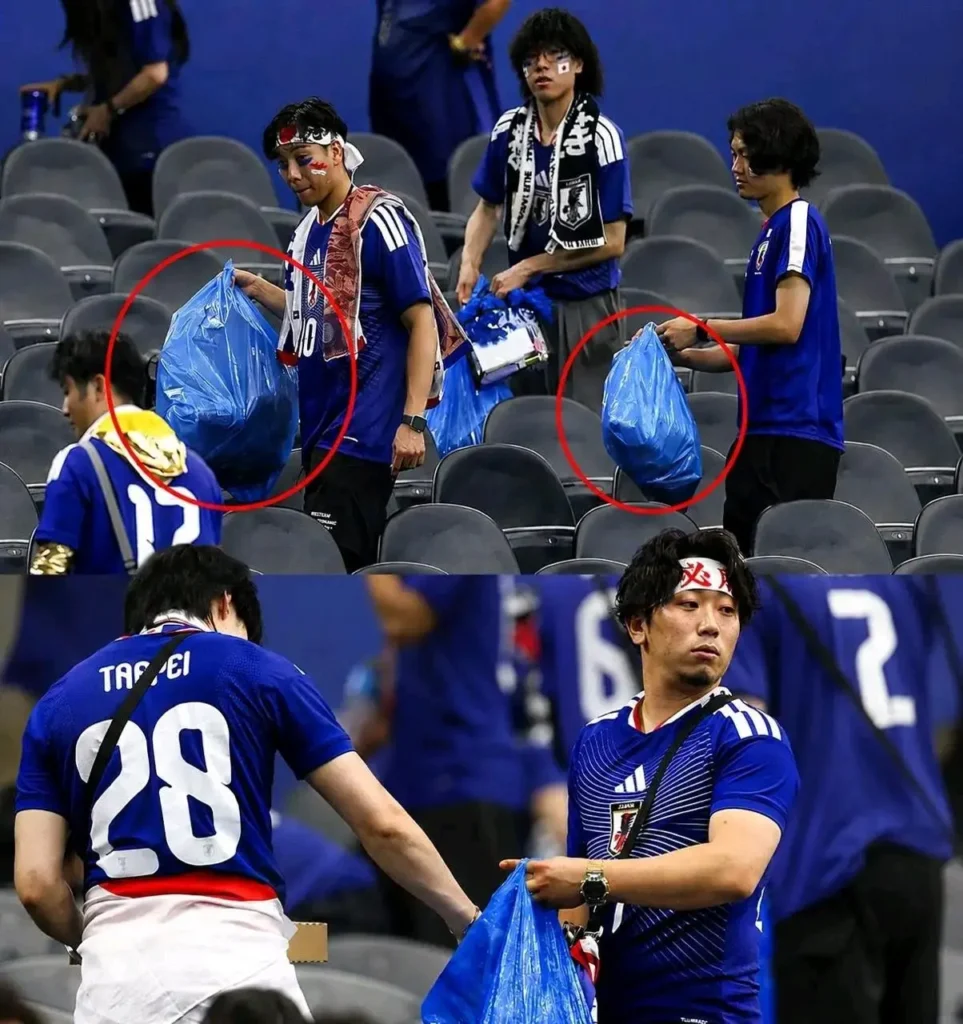
While thousands of fans head for the exits, Japanese supporters stay behind.
Armed with rubbish bags, they collect discarded cups, food wrappers and bottles, carefully cleaning the sections they occupied before leaving the stadium.




It is a sight that has repeatedly captured global attention at major sporting events. Some call it extraordinary. Others describe it as simple common sense.
But perhaps it is neither.
Perhaps it is culture.
In many parts of the world, cleaning up is seen as someone else’s responsibility. There are cleaners, stadium staff and maintenance workers whose job it is to restore order after the crowds have gone home.
Yet for many Japanese fans, leaving a space clean is not an act worthy of applause. It is simply the right thing to do.
The gesture may seem small, but it says something profound about community.
It reminds us that shared spaces belong to all of us. Respect is not only shown through grand speeches or public campaigns. Sometimes, respect looks like bending down to pick up a plastic bottle that isn’t yours.
It is easy to celebrate values such as discipline, responsibility and consideration in theory. Practising them in everyday life is much harder.
Watching Japanese fans clean stadiums has sparked admiration around the world, not because they are doing something impossible, but because they are demonstrating what collective care can look like.
Imagine if we carried that mindset beyond football.
What would our neighbourhoods look like if everyone picked up after themselves? What if schools, parks, buses and community centres were treated with the same sense of shared ownership?
Maybe the lesson here isn’t that everyone should copy Japan.
Different societies have different histories and traditions.
Perhaps the real lesson is this: communities thrive when people stop asking, “Whose job is it?” and start asking, “What can I do?”
The World Cup will give us unforgettable goals, dramatic upsets and moments of sporting brilliance.
But sometimes, the most powerful lessons come not from the players on the pitch, but from ordinary people in the stands quietly reminding us that leaving things better than we found them is a victory too.