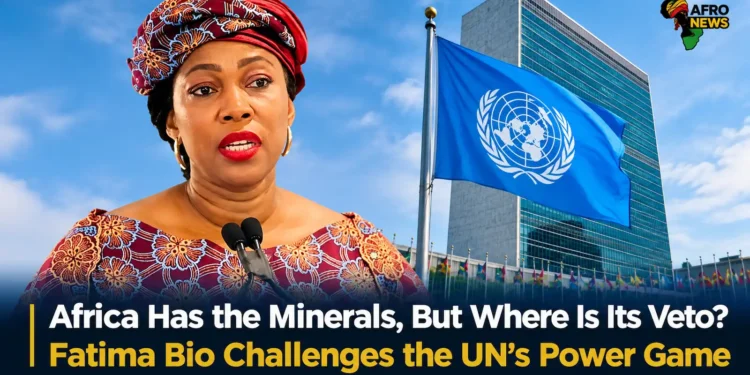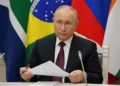

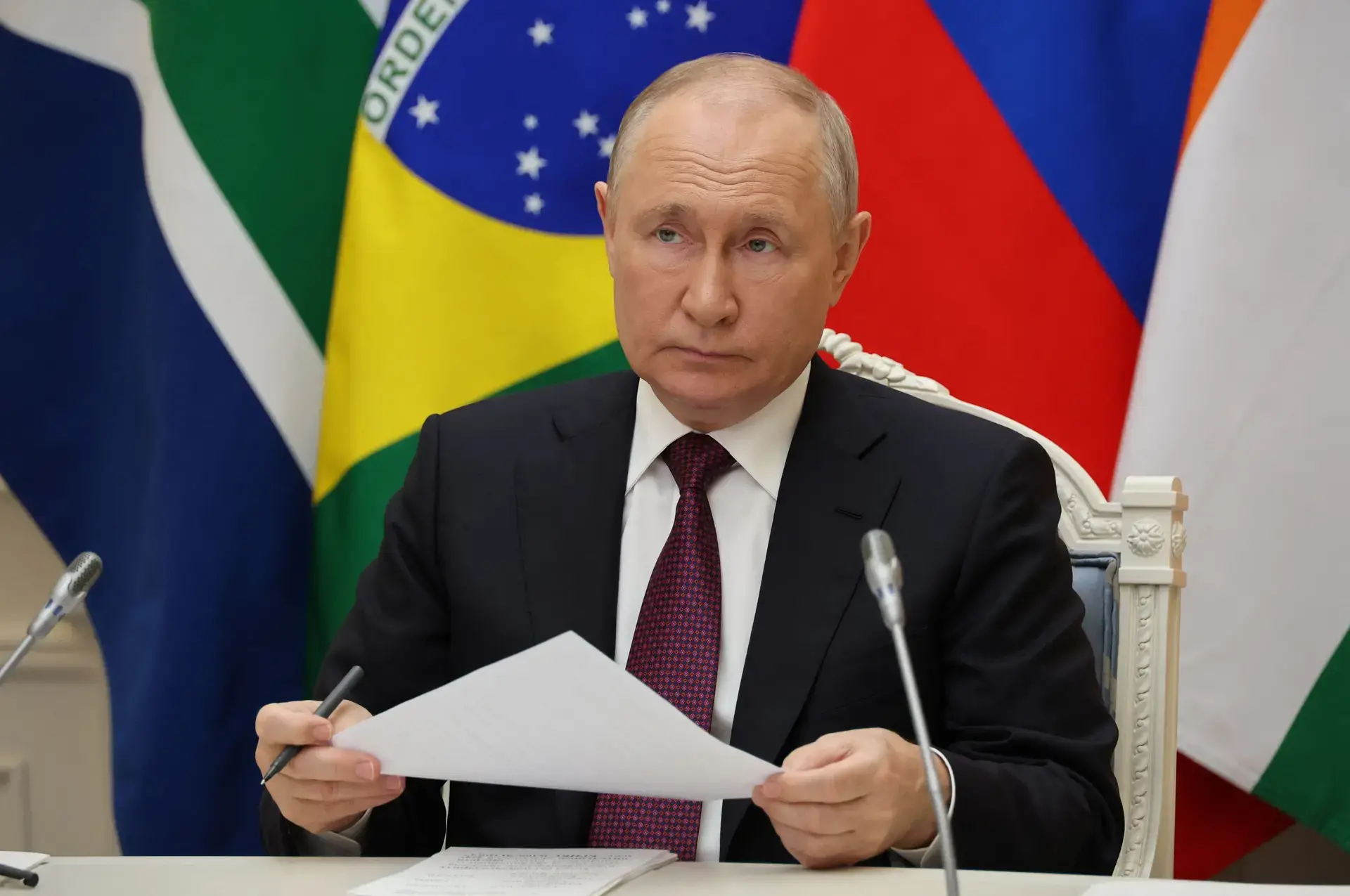
Africa’s decades-long campaign for stronger representation at the United Nations Security Council has received fresh international attention after Russian President Vladimir Putin called for an expansion of the Council to give greater representation to Africa, Asia and Latin America, arguing that such a reform would strengthen the United Nations and make its decision-making structure more reflective of the changing international balance of power. Speaking at the 18th BRICS Summit in New Delhi on September 12, Putin said Russia attaches importance to strengthening the UN’s central role in global affairs and that expanding the Security Council would contribute to that objective.
The statement gives renewed international visibility to a demand that African governments and the African Union have pursued for years, raising an uncomfortable question about a global institution whose permanent membership still largely reflects the geopolitical realities that existed when the United Nations was created.
Africa Has the Numbers, But Not a Permanent Seat
Africa has 54 UN member states and accounts for more than a quarter of the organisation’s membership, yet no African country holds one of the five permanent seats on the Security Council, which are currently occupied by China, France, Russia, the United Kingdom and the United States.
Related Post


The African Union has repeatedly called for a reform that would give the continent at least two permanent seats with the same privileges, including the veto while it exists, together with five non-permanent seats, under the common African position established through the Ezulwini Consensus and Sirte Declaration.
The imbalance has become increasingly difficult to overlook because African countries are frequently affected by decisions concerning international peace and security, particularly on conflicts and humanitarian crises on the continent, while Africa itself remains without a permanent voice in the Council’s most powerful decision-making chamber.
Putin Adds a Powerful Voice to the Reform Debate
Putin’s latest comments are significant because Russia is itself one of the five permanent members of the Security Council and therefore holds the veto power that any major reform would have to accommodate, while the broader BRICS grouping has also continued to push for greater representation of developing countries in international institutions. The 2026 BRICS summit in New Delhi placed stronger representation for Asia, Africa and Latin America among the wider discussions about reforming global governance.
Russia, however, is not alone in supporting greater African representation, as the United States has previously backed the creation of two permanent African seats, while Germany and France have also expressed support for permanent African representation in a reformed Security Council.
The Reform Question Is Bigger Than One Country
Although growing international support has strengthened Africa’s case, turning diplomatic statements into actual reform remains a complicated process because changing the composition of the Security Council would require amendments to the UN Charter and approval through the organisation’s established procedures, including the involvement of the existing permanent members.
There is also an important African question waiting behind the broader reform debate, because while the African Union has established a common position calling for permanent representation, the continent would eventually have to determine which countries would occupy any permanent seats created through a reform process.
For now, however, the central message remains clear: Africa does not want to remain merely the subject of decisions made at the Security Council; it wants a meaningful role in making those decisions.
And that leaves the world with a question that has become increasingly difficult to ignore: if the United Nations is supposed to reflect the international community, how long can its most powerful council continue to operate with a structure largely inherited from the world of 1945?
People also read: Africa Has the Minerals, But Where Is Its Veto? Fatima Bio Challenges the UN’s Power Game