• Write For Us
  • About
  • Contact
  • Support Us
Afro News
  • Africa
  • Community
  • Health / Lifestyle
  • Entertainment
  • Culture
  • Sport
  • Opinion
No Result
View All Result
Donate
Afro News
  • Africa
  • Community
  • Health / Lifestyle
  • Entertainment
  • Culture
  • Sport
  • Opinion
No Result
View All Result
Afro News
Donate

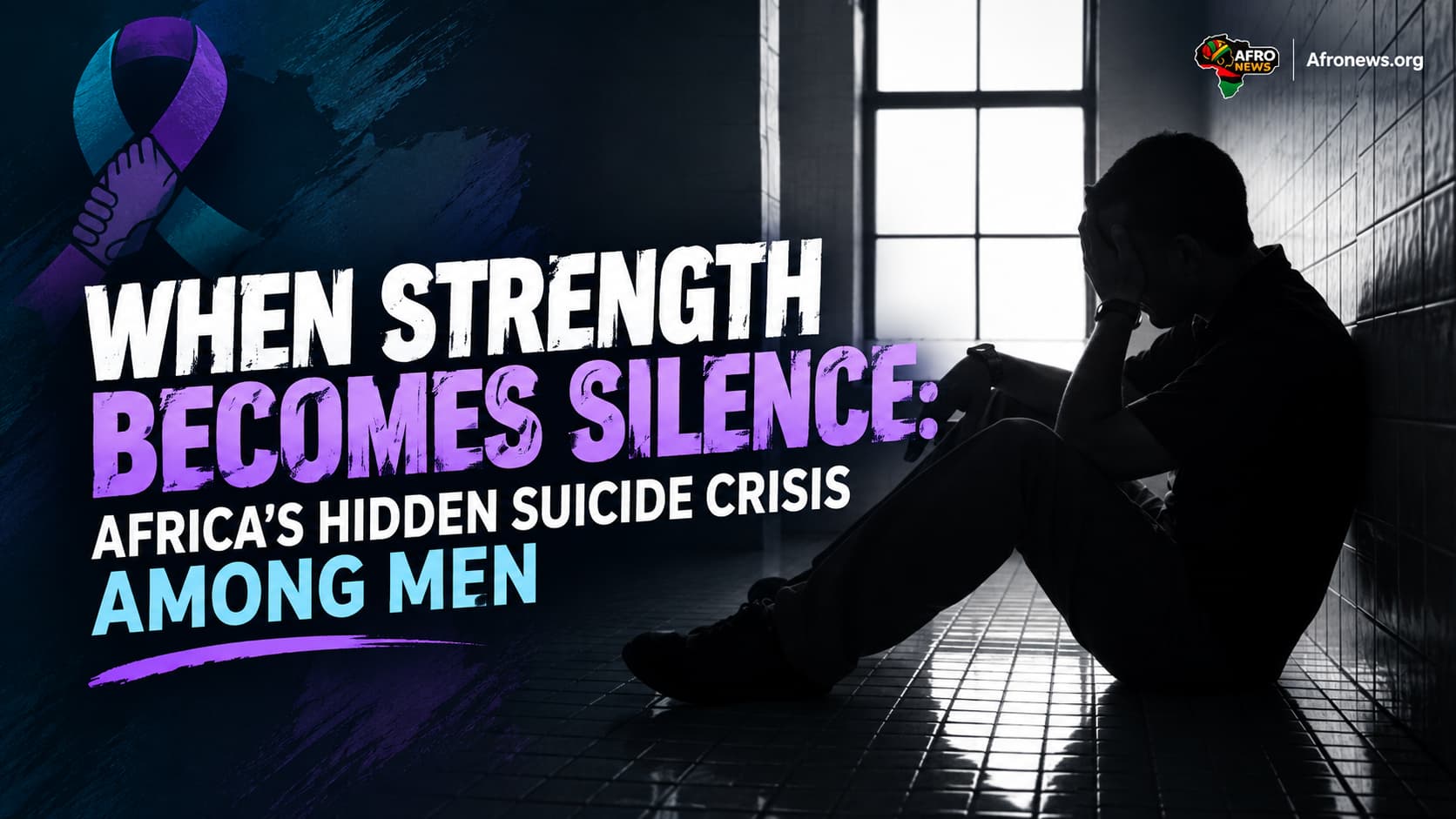
WHEN STRENGTH BECOMES SILENCE: AFRICA’S HIDDEN SUICIDE CRISIS AMONG MEN

Alushe Mupewa by Alushe Mupewa
September 21, 2026
in Health / Lifestyle
A A
WHEN STRENGTH BECOMES SILENCE: AFRICA’S HIDDEN SUICIDE CRISIS AMONG MEN
Share on FacebookShare on Twitter

Suicide remains a leading cause of death among young adults worldwide, and Africa is no exception.
The burden is particularly heavy among men, who die by suicide at nearly twice the rate of women.
In Sub-Saharan Africa, the statistics are stark: Lesotho records over 30 deaths per 100,000 people, Eswatini nearly 28, and South Africa more than 22.
Even in countries with lower rates, such as Nigeria at 4.9 and Kenya at 4.6, underreporting and stigma mean the true figures may be higher.
These numbers reveal a silent epidemic one that demands urgent attention.
The roots of this crisis lie in the intersection of cultural expectations and mental health.
The recent study on Northern Sotho men published in BMC Psychology shows how rigid masculine norms like toughness, stoicism, and self-reliance can worsen mental health outcomes.
Men often avoid expressing vulnerability or seeking professional help, fearing it will be seen as weakness.
This silence breeds isolation, depression, and hopelessness — all of which are risk factors for suicide.
For African men, the pressure to be providers and protectors compounds the problem.
When the pressures of unemployment, looming poverty, or family stress undermine these roles, men may feel they have failed in their identity, with no other way to present themselves.
Another study comes from the World Health Organization’s regional analysis of suicide in Africa, which emphasizes that men are consistently more vulnerable due to cultural expectations and limited access to mental health services.
The report unfortunately highlights that in many of our countries, suicide rates among men are two to four times higher than those of women, with Southern Africa showing some of the highest figures globally.
Suicide Awareness Month offers an opportunity to break the silence.
Campaigns across Africa continue the uphill struggle of challenging harmful masculine norms and promoting healthier models of manhood.
Sharing stories of men who sought help and found healing helps in reframing vulnerability as courage.
Universities, workplaces, and community organizations can create safe spaces where men can talk openly about mental health without fear of stigma.
Other effective coping strategies include social connectedness, positive reframing, and professional support.
Yet these strategies are often too westernised, requiring cultural adaptation: interventions must integrate traditional practices, spirituality, and community dialogue to resonate with African men.
Ultimately, suicide among African men is not just an individual tragedy but a reflection of broader cultural and psychological dynamics.
Masculine expectations of toughness and silence often prevent men from accessing support, leaving them at risk.
Addressing this means investing in research and awareness campaigns that highlight the lived realities of African youth, ensuring that no one feels alone in their struggle.
Suicide Awareness Month should not only commemorate lives lost but also ignite a collective commitment to resilience, compassion, and change.
Supporting men to speak, seek help, and reframe their struggles is essential for reducing suicide rates and fostering resilience across the continent.

World Health Organization (WHO) — Suicide: Global facts, risk factors, stigma, prevention and current statistics.

WHO: Suicide Fact Sheet
WHO — Suicide Worldwide in 2021: Global Health Estimates: Country-level suicide estimates, including sex-disaggregated data for African countries.

Related Post

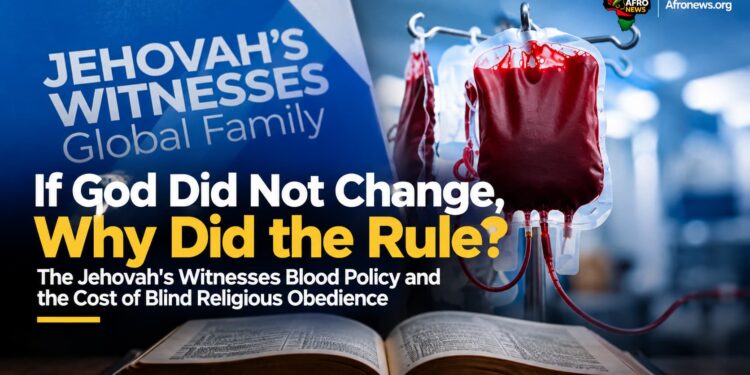
If God Did Not Change, Why Did the Rule? The Jehovah’s Witnesses Blood Policy and the Cost of Blind Religious Obedience

If God Did Not Change, Why Did the Rule? The Jehovah’s Witnesses Blood Policy and the Cost of Blind Religious Obedience

September 20, 2026
Dumbphones Are Back: The Lifestyle Shift Toward Simpler Living

Dumbphones Are Back: The Lifestyle Shift Toward Simpler Living

September 2, 2026
Real Farm Life

Real Farm Life

August 14, 2026
Carry-On Kit: What You Actually Need for a 15+ Hour Flight

Carry-On Kit: What You Actually Need for a 15+ Hour Flight

July 31, 2026

WHO: Suicide Worldwide in 2021
WHO Regional Office for Africa — Suicide Regional Fact Sheet: Data on suicide rates across Africa, including the significant difference between male and female suicide rates.

WHO Africa: Suicide Regional Fact Sheet
WHO African Region — Mental Health: Information on suicide, stigma, mental-health access and prevention challenges in Africa.
WHO Africa: Mental Health

WHO — Suicide Data: Methodology, data-quality limitations and the problem of under-reporting and misclassification, particularly in low- and middle-income countries.
WHO: Suicide Data

Alushe Mupewa

Alushe Mupewa

Alushe is the author of Ann's Library and Namibian content writer for Afro News. As an aspiring psychologist, she's passionate about mental health amongst the youth and underrepresented minorities. She works to share knowledge and experience one article at a time.

Related Posts

If God Did Not Change, Why Did the Rule? The Jehovah’s Witnesses Blood Policy and the Cost of Blind Religious Obedience
Health / Lifestyle

If God Did Not Change, Why Did the Rule? The Jehovah’s Witnesses Blood Policy and the Cost of Blind Religious Obedience

by Richard Bilatey Ndignan
September 20, 2026
Dumbphones Are Back: The Lifestyle Shift Toward Simpler Living
Health / Lifestyle

Dumbphones Are Back: The Lifestyle Shift Toward Simpler Living

by Sandra Peya Haimbala
September 2, 2026
Real Farm Life
Health / Lifestyle

Real Farm Life

by Sandra Peya Haimbala
August 14, 2026

Leave a Reply Cancel reply

Your email address will not be published. Required fields are marked *

Newsletter

  • Trending
  • Comments
  • Latest
nigerian community in Saint Petersburg taking pictures in the 2026 summer get-together

Nigerian Community in Saint Petersburg Celebrates Unity at 2026 Summer Get-Together

June 22, 2026
The Woman Who Bought Her Husband—Then Sold Him After an Argument: The Extraordinary Story of Dilsey Pope

The Woman Who Bought Her Husband—Then Sold Him After an Argument: The Extraordinary Story of Dilsey Pope

July 6, 2026
South African artist Queen Thandeka performing modern Zulu folk music on stage in Moscow.

From Kroonstad to Moscow: Queen Thandeka’s Story

September 8, 2026
Africans in Saint Petersburg Unite: How ‘Coach’ Philip’s Birthday Bridged Moscow and Peters

Africans in Saint Petersburg Unite: How ‘Coach’ Philip’s Birthday Bridged Moscow and Peters

August 15, 2026
South African artist Queen Thandeka performing modern Zulu folk music on stage in Moscow.

From Kroonstad to Moscow: Queen Thandeka’s Story

4
Founder, Afro News Media in a photo session

Why We Started Afro News: Founder’s Letter

0
image showing an ethiopian man extracting honey

Traditional Honey Harvesting in Ethiopia: Africa’s Leading Honey Industry

0
African skin and hair care in Russia during winter

African Skin and Hair Care in Russia: Winter & Water Fixes

0
WHEN STRENGTH BECOMES SILENCE: AFRICA’S HIDDEN SUICIDE CRISIS AMONG MEN

WHEN STRENGTH BECOMES SILENCE: AFRICA’S HIDDEN SUICIDE CRISIS AMONG MEN

September 21, 2026
If God Did Not Change, Why Did the Rule? The Jehovah’s Witnesses Blood Policy and the Cost of Blind Religious Obedience

If God Did Not Change, Why Did the Rule? The Jehovah’s Witnesses Blood Policy and the Cost of Blind Religious Obedience

September 20, 2026
Putin Backs Africa’s Push for a Bigger Voice at the UN Security Council

Putin Backs Africa’s Push for a Bigger Voice at the UN Security Council

September 18, 2026
King Oyo Nyimba Kabamba Iguru Rukidi IV

Uganda’s Tooro Kingdom Enters a New and Uncertain Chapter After King Oyo’s Death

September 14, 2026

Your support keeps our stories alive

Every contribution helps us continue delivering quality contents, supporting contributors, and strengthening community.

DONATE NOW

One-time or monthly donations make a lasting impact.

AfroNews is an independent English-language digital newsroom covering the lives, opportunities and stories of Africans in Russia and beyond.

Youtube Instagram X-twitter

Newsroom

  • About
  • Write For Us
  • Contact Us
  • Submit a News Bit
  • Advertise With Us

Sections

  • News
  • Community
  • Guides
  • Events
  • Africa
  • Entertainment

Legal

  • Afro News Media Kit
  • Editorial Policy
  • Privacy Policy
  • Terms & Conditions

Contact

  • hello@afronews.org
  • editor@afronews.org
  • advertise@afronews.org
  • support@afronews.org

Newsletter

Get the latest news, stories, and guides delivered to your inbox every week

© 2026 AfroNews. All rights reserved.

  • Privacy Policy
  • Terms of Service
  • Cookie Policy
  • Accessibility
No Result
View All Result
  • Africa
  • Community
  • Health / Lifestyle
  • Entertainment
  • Culture
  • Sport
  • Opinion

© 2026 AfroNews. All rights reserved.