
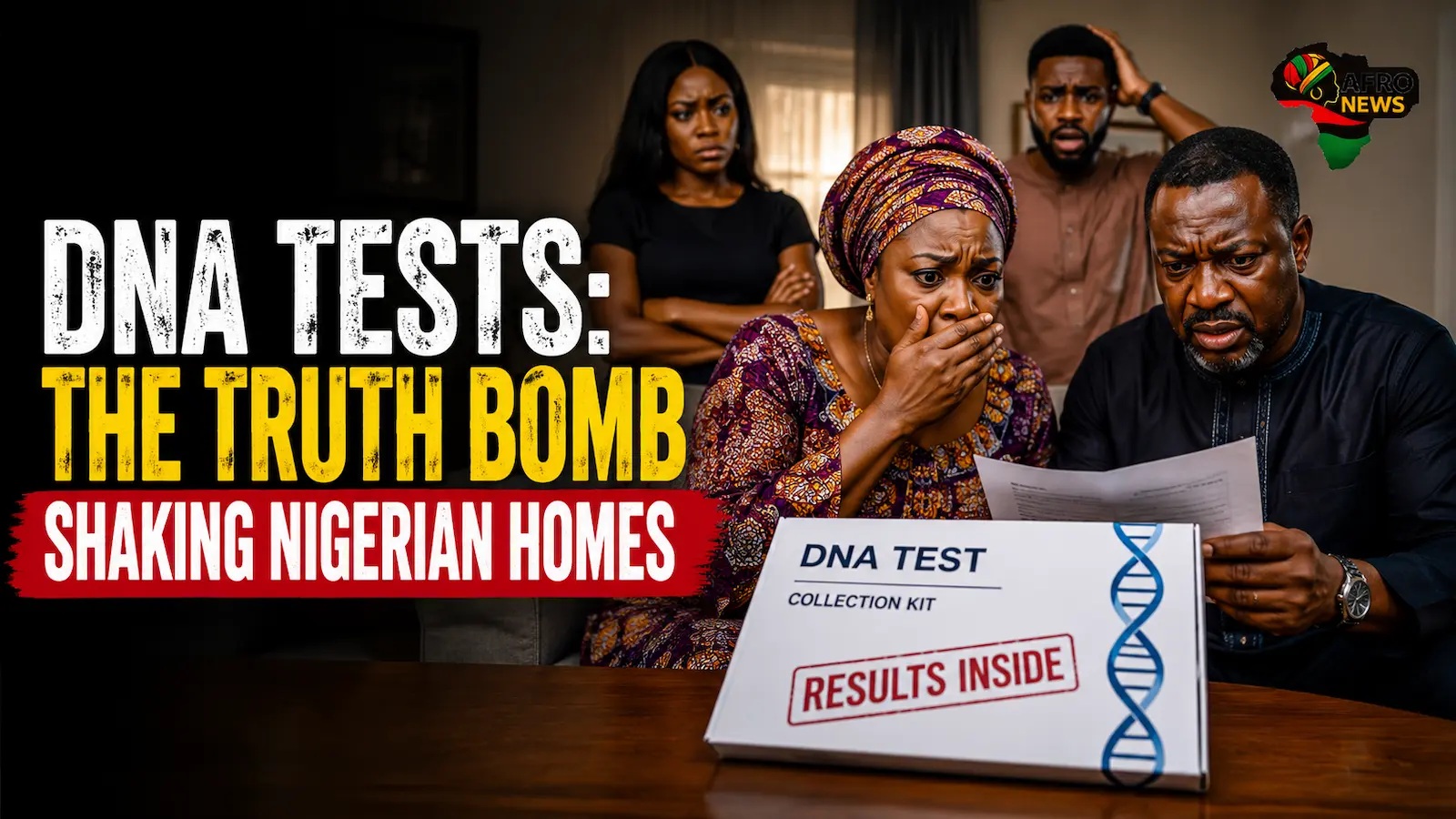
In many Nigerian homes today, a silent visitor is knocking on doors, breaking tables, ending marriages, igniting family feuds and exposing secrets buried for decades. That visitor is called the DNA test.
What was once a scientific procedure reserved for crime investigations and medical research has sparked a massive DNA test controversy in Nigerian homes, dominating the social space. From celebrity scandals to courtroom battles and emotional social media confessions, paternity tests are increasingly becoming the ultimate referee in disputes over fatherhood.
For years, many Nigerian families were built on trust, assumptions and cultural beliefs. A child born within a marriage was automatically regarded as the husband’s offspring. Questioning paternity was considered taboo, disrespectful and in some communities, a direct assault on the sanctity of marriage. However, science has now entered the conversation, and its verdict is often unforgiving.
Related Post




The rising demand for DNA tests is being fueled by several factors. Growing cases of infidelity, declining trust among couples, increasing awareness of scientific verification and sensational stories circulating online have all contributed to the trend. More men are seeking certainty, while some women view the requests as accusations that undermine their integrity.
The consequences can be devastating.
Every year, reports emerge of men discovering that children they have loved, nurtured and sponsored for years are not biologically theirs. Some marriages collapse instantly. Others become battlefields of bitterness, blame and emotional trauma. Children, often innocent victims, find themselves caught in the crossfire of adult decisions they had no part in making.
Beyond individual families, the issue raises uncomfortable questions about societal values. Has the erosion of trust become so severe that scientific proof is now required before emotional bonds can be accepted? Are men justified in demanding DNA tests at birth, or does such a practice risk turning every maternity ward into a crime scene?
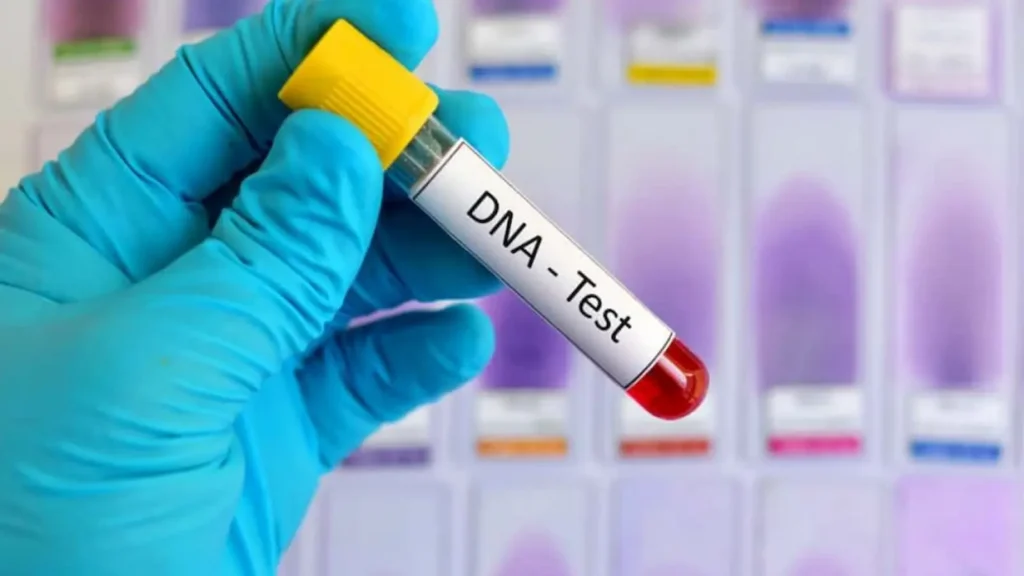
Critics argue that the growing obsession with paternity testing could weaken family structures by creating an atmosphere of suspicion. Supporters counter that truth, regardless of how painful, is always better than living a lie.
The controversy becomes even more complex when culture and religion enter the debate. In a society where family lineage, inheritance and identity are highly valued, a DNA result can alter the destinies of entire generations. Property disputes, succession battles and family reputations can all hinge on a few strands of genetic evidence.
Yet amid the headlines and heated arguments, one reality remains clear: DNA tests do not create problems; they reveal them. The real challenge lies in addressing the deeper issues of honesty, fidelity, communication and accountability that exist within relationships.
As DNA testing becomes more accessible and affordable, Nigeria may need to have a difficult but necessary conversation. Not merely about who fathered whom, but about rebuilding trust in a society where science is increasingly being called upon to settle matters once governed by faith, love and family honour.
The question is no longer whether DNA tests should be conducted. The question is whether Nigerian families are truly prepared for the truths they may uncover.